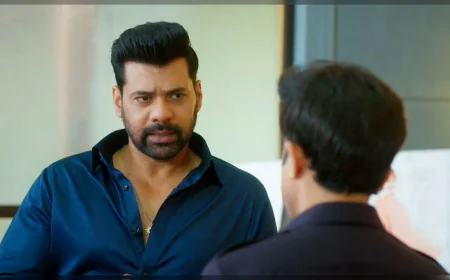
In the competitive world of Indian daily soaps, where familiar formulas often dominate, Rahul Kumar Tewary’s Jagadhatri has carved a distinctive space for itself. The show masterfully weaves together elements of mystery, family drama, action, and heartfelt emotion, creating a narrative that appeals to viewers across generations. With its well-developed characters, dynamic performances, and ever-evolving plotlines, Jagadhatri continues to prove why it merits a prominent spot on any television enthusiast’s watchlist.
One of the show’s most compelling strengths lies in the central pairing of Sonakshi Batra as Jagadhatri (JD) and Farman Haider as Shivaay. Their on-screen chemistry transcends conventional romance, built instead on mutual trust, respect, and genuine partnership. Whether confronting personal challenges or united against formidable adversaries, the duo delivers scenes rich in emotional depth and quiet strength. This authentic connection has resonated strongly with audiences, establishing them as one of contemporary television’s most cherished couples. Their interactions offer a refreshing balance of vulnerability and resilience that feels both relatable and aspirational.
Equally vital to the show’s success are its formidable antagonists, who consistently elevate the stakes. Characters such as Musa and Rudra bring intensity through their cunning schemes, hidden motives, and unpredictable moves. These powerful villains ensure the narrative remains taut and unpredictable, creating a gripping battle between good and evil that keeps viewers engaged episode after episode. Such well-crafted opposition adds layers of tension and prevents the story from settling into predictability, a common pitfall in long-running dramas.
Adding further intrigue is the complex character of Tapasya, whose unpredictable actions frequently serve as catalysts for major twists. Far from being a one-dimensional figure, Tapasya embodies moral ambiguity—neither wholly virtuous nor entirely villainous. This nuanced portrayal generates emotional conflict within the family and sustains dramatic momentum. Her evolving journey provides some of the show’s most riveting moments, demonstrating how layered writing can transform supporting roles into audience favourites.
Sayantani Ghosh’s portrayal of Maya introduces another dimension of emotional richness. Caught between conflicting responsibilities, feelings, and tough choices, Maya’s storyline delivers some of the series’ most poignant and impactful sequences. Ghosh’s commanding screen presence brings authenticity and depth, making her character integral to the broader narrative. Her performance highlights the show’s commitment to exploring multifaceted female roles beyond traditional tropes.
What truly distinguishes Jagadhatri is its thoughtful ensemble approach. Unlike many serials that centre exclusively on the lead pair, here every character serves a clear purpose. Family members, allies, and adversaries alike contribute meaningfully to the overarching story, creating interconnected subplots that enrich the viewing experience. This comprehensive world-building fosters a sense of completeness, where individual arcs enhance rather than distract from the main narrative.
Producer Rahul Kumar Tewary’s vision shines through in the show’s ability to blend thrilling twists with emotionally grounded relationships. The consistent evolution of the storyline, combined with strong performances from the entire cast, ensures Jagadhatri remains relevant and engaging in a crowded television space. Viewers appreciate the balance it strikes between high-stakes drama and relatable human connections, a formula that has helped it build a loyal following.
As the series progresses, it continues to explore themes of trust, resilience, and family dynamics with sincerity and craft. The on-screen chemistry of Batra and Haider, the menacing presence of antagonists, Tapasya’s dramatic unpredictability, Maya’s emotional depth, and the purposeful ensemble all work in harmony to deliver complete entertainment.
For those seeking a show that respects audience intelligence while providing consistent excitement, Jagadhatri stands out as a worthy choice. It exemplifies how thoughtful storytelling and committed performances can elevate daily television beyond routine expectations. In an era where viewers have abundant options, the series’ success reflects its ability to connect on both emotional and intellectual levels.
Rahul Kumar Tewary’s Jagadhatri reminds us of the enduring appeal of well-told stories featuring characters who feel real and conflicts that matter. As it continues its journey, the show not only entertains but also reinforces why dedicated writing and ensemble strength remain cornerstones of compelling television. Audiences looking for their next engaging watch will find much to appreciate in this thoughtfully crafted drama.