
India–Hapag-Lloyd Pact Boosts Maritime Growth
India partners with Hapag-Lloyd to strengthen ports, shipping, and global trade.

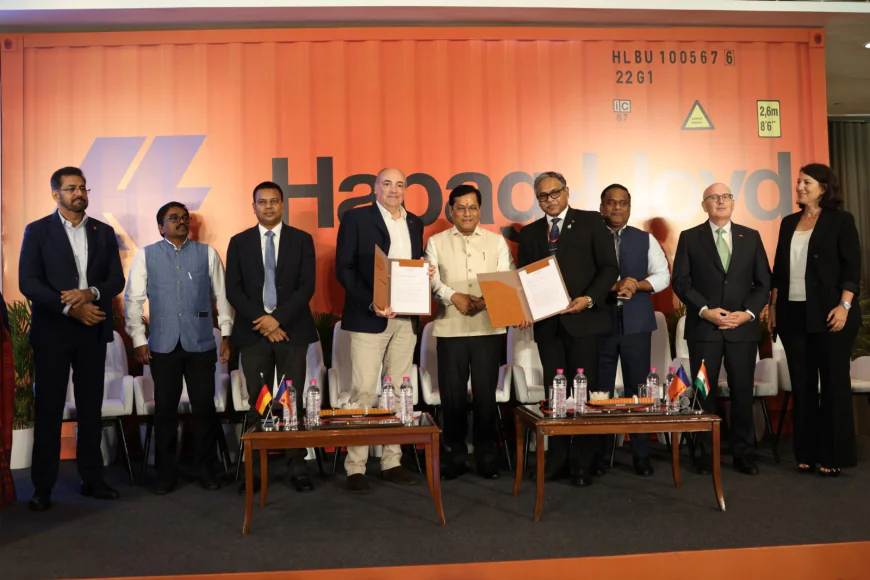
Mumbai: In a significant development for India’s maritime and logistics landscape, a strategic partnership between the Government of India and global shipping leader Hapag-Lloyd is set to redefine the country’s role in international trade. Formalized through a Letter of Intent, the collaboration marks a progressive step toward strengthening India’s position as a key player in global supply chains.
This agreement goes beyond a routine diplomatic or commercial engagement. It reflects a shared vision to enhance maritime infrastructure, improve operational efficiencies, and align with sustainable global practices. At its core, the partnership is designed to unlock new opportunities in shipping, port development, and logistics innovation.
One of the central elements of this collaboration is the reflagging of vessels under the Indian flag. This move is expected to bolster India’s shipping registry, increase domestic maritime activity, and enhance the country’s strategic control over its shipping operations. By encouraging global players to operate under the Indian flag, the initiative could also stimulate employment and skill development within the sector.
Another key focus area is the development of a sustainable ship recycling ecosystem. With increasing global emphasis on environmentally responsible practices, this initiative aims to position India as a leader in green ship recycling. By adopting international standards and modern technologies, the country can strengthen its reputation as a responsible maritime nation while creating economic value.
Harshita Raj is a dedicated journalist at Showbaazi who enjoys covering the vibrant world of entertainment. With a passion for storytelling and a keen interest in celebrity news and industry trends, she aims to deliver engaging and up-to-date content that keeps readers connected to the latest in showbiz. ✍️🎬✨