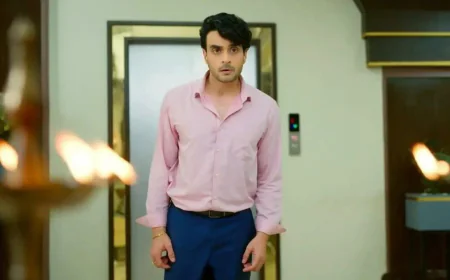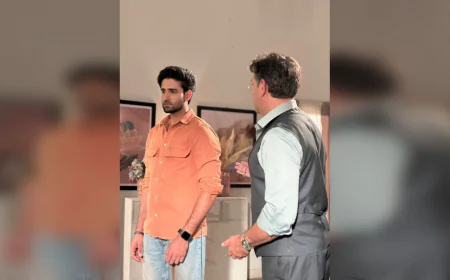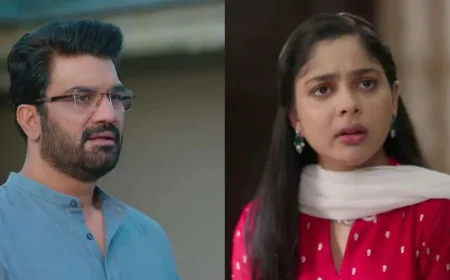
Sachin Tyagi: Warm, Dignified Men Can Be Masculine Too on TV

Actor Sachin Tyagi, known for playing Digvijay in Anupamaa, advocates for emotionally mature male characters who balance warmth, dignity, and masculinity, reflecting evolving audience preferences on Indian television.

Showbaazi Showbaazi Author
Jul 1, 2026 - 13:38
 0
Sachin Tyagi: Warm, Dignified Men Can Be Masculine Too on TV

Mumbai — Indian television is witnessing a noticeable shift in the portrayal of male characters, moving beyond traditional loud archetypes toward more nuanced and emotionally mature figures. Actor Sachin Tyagi, currently essaying the role of Digvijay in Rajan Shahi and Deepa Shahi’s popular daily Anupamaa, offers insightful perspectives on this evolution drawn from his on-screen experience.

In a thoughtful conversation, Sachin highlighted the growing appeal of characters who convey depth with restraint. “Not just emotionally mature male characters, but emotionally mature female characters as well. Characters who can say more by speaking less. Who can express emotions through their eyes, through silence, through actions rather than constant dialogue?” he observed.

He firmly believes such characters have always held relevance in storytelling. “They have always had their place. Whenever someone has had the courage to create stories around such characters, audiences have responded to them,” Sachin noted, underscoring consistent audience appreciation for depth over drama.

Importantly, the seasoned actor does not dismiss more aggressive portrayals entirely. He acknowledged that “loud masculinity” can be contextually appropriate. “There are situations where loud masculinity works. If you’re fighting an animal or dealing with someone who has become animalistic, aggression may be required there,” he explained. “But in real life, in families, relationships, society, warmth and dignity become very important.”
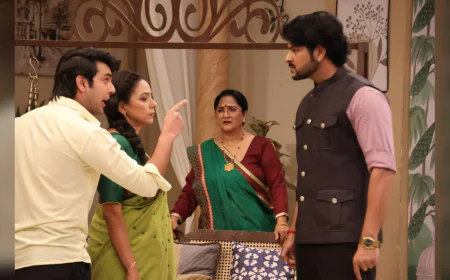
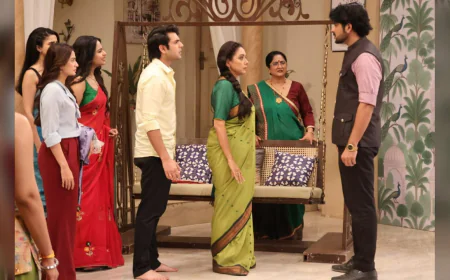
For Sachin, masculinity does not stand in opposition to gentleness. “There’s nothing wrong with a character being warm, dignified, and still masculine at the same time. That’s exactly what Digvijay is,” he stated, perfectly encapsulating the essence of his character.

He attributes the strong audience connection with such roles to genuine aspiration and self-recognition. “I don’t think anyone enjoys screaming, abusing, or losing control over themselves. People regret those moments almost immediately,” Sachin shared. “So when audiences see someone who is calm, composed, restrained, and still manages to communicate effectively, they connect with that.”

This relatability, according to him, fuels deeper identification. “When people see someone they would like to become like, it’s natural for them to identify with that character,” he added.

The positive reception Digvijay has received comes as no surprise to Sachin. He views it as validation that viewers are ready for more sophisticated narratives. “Anything emotionally mature will always find appreciation because somewhere that is the ideal,” he remarked. “We’ve already seen enough loud drama. Maybe now audiences are ready for a little more subtlety.”

Sachin Tyagi’s reflections arrive at a time when Indian television is gradually diversifying its character portrayals. Through Digvijay, he embodies a modern masculine ideal — one rooted in emotional intelligence, dignity, and quiet strength rather than overt aggression. His grounded perspective not only enriches the ongoing industry conversation but also highlights how audiences continue to reward authentic, layered storytelling that mirrors their evolving aspirations for healthier relationships and personal growth.

As Anupamaa continues to resonate with millions, characters like Digvijay serve as powerful examples of television’s potential to influence cultural perceptions of masculinity in meaningful ways. Sachin’s balanced take reinforces that true strength often lies in composure, empathy, and self-control.

❤️ Follow us for the latest updates:

Showbaazi
Showbaazi Author
Follow