"Verticals Are the Future": Smriti Khanna on the Rise of Short-Format Entertainment
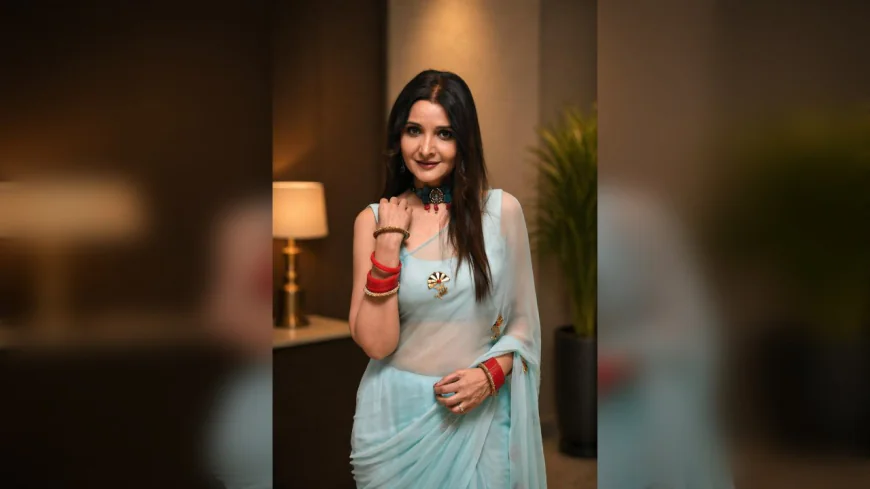
Actor Smriti Khanna believes the rapidly growing vertical content format is transforming the way audiences consume entertainment. Having already completed four vertical series, she says the format offers unique creative opportunities for actors while perfectly matching the viewing habits of today's digital audience.
Smriti, who was last seen in the television show Tere Ishq Mein Ghayal, has steadily built her presence in the vertical storytelling space through a variety of projects. Reflecting on her journey, she shares that each series has presented a fresh challenge and contributed to her growth as a performer.
Her first vertical project was Kesari – Aam Bana Khaas, followed by Mafia Baap, Akhri OTP, and most recently The Second Spark of My Life. According to Smriti, every story demanded a different approach and allowed her to explore diverse characters within the unique framework of short-form storytelling.
One of the aspects she enjoys the most about vertical series is their fast-paced production schedule. Unlike traditional television or long-format web series, an entire vertical project is often completed within just three to four days. Smriti says this pace keeps every member of the team constantly engaged and requires actors to remain fully prepared throughout the shoot.
She explains that working under such tight timelines pushes performers to rely on their craft and instincts. The energetic environment, combined with concise storytelling, makes the experience both exciting and creatively fulfilling. She also appreciates that every character in a vertical series is carefully written and serves a meaningful purpose within the narrative, ensuring that no role feels unnecessary.
Looking at the industry's evolving landscape, Smriti believes vertical storytelling is only going to become bigger. She notes that several prominent production houses are reportedly exploring projects in this format, with established actors and filmmakers showing increasing interest. As larger studios invest in vertical content, she expects production budgets to rise significantly, leading to even higher quality storytelling and technical execution.
For Smriti, the popularity of vertical series is closely linked to changing audience preferences. With smartphones becoming the primary medium for entertainment, viewers increasingly prefer content that fits into their busy schedules. Since each episode can often be watched in just a couple of minutes, vertical storytelling offers convenience without compromising engagement. She believes this accessibility is one of the biggest reasons why the format is rapidly gaining momentum.
Discussing another important aspect of digital entertainment, Smriti also addressed the growing presence of bold content across OTT platforms and vertical series. While acknowledging that such scenes may sometimes be necessary, she believes they should always serve the story rather than exist purely for sensationalism.
According to her, an actor should feel comfortable performing bold scenes if they genuinely contribute to the narrative and are presented with sensitivity. She emphasizes that storytelling should remain the priority, and any intimate or bold sequence should be handled artistically, respectfully, and with a clear creative purpose instead of being included merely to attract attention.
As audiences continue embracing short-form digital entertainment, Smriti Khanna remains optimistic about the future of vertical storytelling. She believes the format has successfully adapted to modern viewing habits while creating exciting opportunities for performers and content creators alike. With increasing industry investment and growing audience demand, she is confident that vertical series are set to become an integral part of the entertainment landscape in the years ahead.