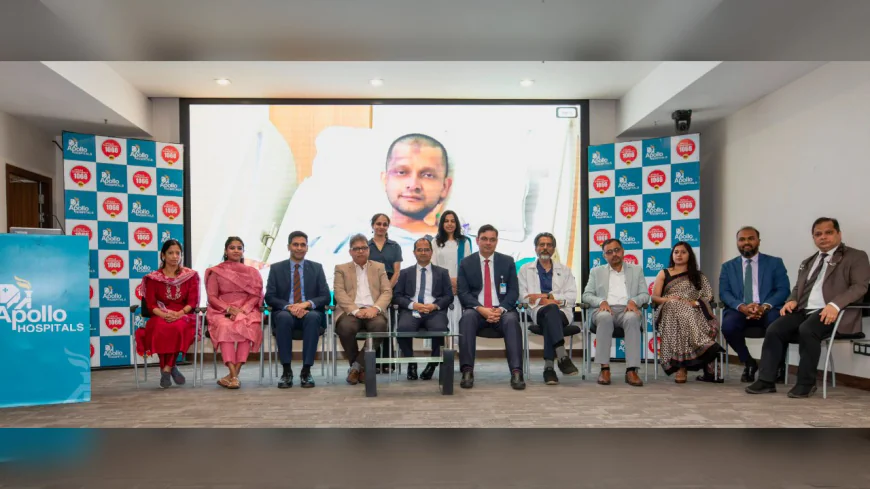
Mumbai – In a remarkable feat of modern medicine, a team of over 50 doctors, nurses, and caregivers at Apollo Hospitals, Navi Mumbai, successfully saved the life of a 37-year-old Merchant Navy officer who suffered catastrophic injuries in a road accident, including a ruptured aorta and multiple fractures.
The case stands as a powerful example of what coordinated medical expertise and rapid response can achieve in the face of seemingly insurmountable odds. The young man arrived at the hospital with life-threatening conditions: a torn aorta – the body’s main artery – multiple fractures, a crushed arm, and a pulseless limb that threatened permanent disability. Yet, through swift intervention and seamless collaboration across specialties, he has been given a second chance at life and is now progressing steadily toward recovery.
Upon arrival, specialists from Trauma Care, Orthopedics, Cardiology, Plastic Surgery, Critical Care, and Physiotherapy immediately sprang into action. Surgery commenced within 45 minutes, followed by several hours of complex procedures aimed at stabilising his critical condition. The multidisciplinary approach proved decisive in managing the polytrauma case, which involved simultaneous threats to his vascular system, skeletal structure, and overall stability.
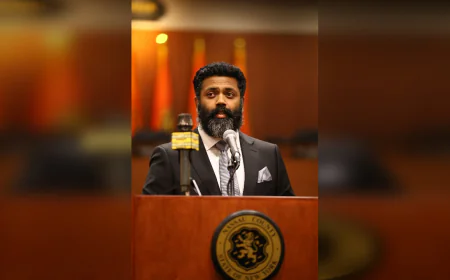
Dr. Sameer Chaudhary, who was closely involved in the treatment, described the intensity of the situation. “This was one of the most challenging polytrauma cases we have ever handled. Timely decision-making and close coordination among specialists played a crucial role in saving the patient’s life.”
The officer spent nearly a week on a ventilator while undergoing multiple advanced treatments. His gradual improvement – moving from the Intensive Care Unit to the general ward and then into rehabilitation – marked important milestones in what doctors and his family viewed as an inspiring recovery journey. Today, he continues to work toward regaining the ability to stand and walk independently, offering hope to others facing similar traumatic injuries.
Dr. Kiran Shingote, COO and Unit Head of Apollo Hospitals, Navi Mumbai, highlighted the scale of the effort. “The collective efforts of more than 50 doctors, nurses, and caregivers transformed a life-threatening trauma into an inspiring story of recovery.”
This extraordinary outcome underscores the critical importance of advanced medical infrastructure, clinical excellence, and true teamwork in trauma management. Road accidents remain one of the leading causes of severe injuries and fatalities worldwide, often presenting complex challenges that demand instant, coordinated responses. In this instance, the hospital’s readiness and the dedication of its medical professionals turned a dire situation into a testament to human resilience and medical advancement.
For the patient, a professional with a demanding career at sea, the ordeal represents far more than a medical victory. It symbolises the restoration of hope and the possibility of returning to an active life. His survival despite such severe injuries – particularly the ruptured aorta, which carries an extremely high mortality risk without immediate intervention – highlights both the fragility of life and the potential of timely, expert care.
Stories like this also serve to build public trust in healthcare systems that invest in specialised trauma units and cross-departmental collaboration. They remind us that behind every successful outcome are countless hours of training, access to cutting-edge technology, and professionals committed to going beyond standard protocols when lives hang in the balance.
As the Merchant Navy officer continues his rehabilitation, his case offers valuable lessons for emergency response protocols and trauma care practices. It demonstrates how rapid assessment, specialist integration, and sustained post-operative support can dramatically improve survival rates in critical polytrauma scenarios.
In an era where medical miracles are often discussed in abstract terms, this real-life account from Apollo Hospitals, Navi Mumbai, brings the conversation to a deeply human level. It celebrates not just the survival of one individual but the collective power of compassionate, skilled caregiving that refuses to accept defeat even when the odds appear overwhelming.
The patient’s journey from the brink of death to renewed hope stands as a beacon of possibility. It reinforces faith in the medical community’s ability to deliver extraordinary results through dedication, expertise, and unity. For families across the country facing similar emergencies, such successes provide reassurance that timely intervention at equipped facilities can indeed rewrite tragic narratives into stories of triumph and healing.