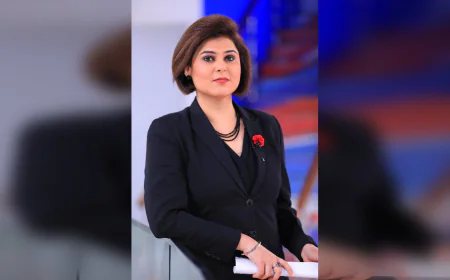
"TRPs Measured Eyeballs, Not Hearts": Pallavi Purohit Calls for a Fairer Television Rating System
With the television industry navigating a period of uncertainty following the temporary suspension of weekly TRP ratings, actress Pallavi Purohit believes the situation presents an opportunity to rethink how success is measured in Indian television. Currently seen in Do Duniya Ek Dil, the actress feels that the absence of weekly ratings could encourage creators to prioritise meaningful storytelling over constantly chasing numbers.
Sharing her perspective on the industry's long-standing dependence on weekly TRPs, Pallavi said the temporary pause could help reduce the pressure that often influences creative decisions.
"Initially, channels may become cautious because TRPs have always been their compass. Without that weekly data, there's naturally a sense of uncertainty. But this could also become a reset for television. If writers and creators are given the freedom to tell stories with conviction instead of constantly worrying about weekly numbers, we could see stronger content. The real opportunity lies in trusting stories instead of simply chasing ratings," she said.
Reflecting on the impact of ratings-driven decision-making, Pallavi admitted that almost everyone associated with television has witnessed storylines being altered because of weekly performance.
"Every actor has experienced it. A storyline you truly believe in suddenly changes because the ratings dipped for a week. I don't think TRPs themselves were the problem—the bigger issue was the fear attached to them. We became too dependent on weekly performance instead of allowing stories time to grow. Television can only move beyond that mindset if we start trusting the audience more. TRPs measured eyeballs, not hearts," she explained.
The actress also believes that evaluating a show's performance on a weekly basis often places unnecessary pressure on actors, writers, directors, and producers alike. According to her, while television is both a creative medium and a business, stories deserve adequate time to establish an emotional connection with viewers.
"The system wasn't unfair because television is both business and entertainment. If a show doesn't find viewers, it obviously becomes difficult to sustain it. But the weekly cycle was extremely stressful. One weak week could trigger panic, resulting in abrupt story changes, leaps or even cast replacements. Actors are usually the first faces people associate with those decisions, even though many factors are involved. Stories need time to build emotional investment, and audiences need time to connect with characters," she said.
Pallavi hopes the current situation encourages broadcasters to invest in original storytelling instead of relying solely on familiar formulas that are perceived as commercially safe.
"Some channels may become more cautious initially, but I hope many see this as a chance to back original storytelling. Without a weekly report card hanging over every episode, creators can take calculated risks. That's how memorable shows are made. Risk creates classics, while excessive caution often creates clutter," she shared.
Looking ahead, Pallavi believes India's television measurement system should evolve beyond simply counting viewership numbers. In her opinion, future ratings should focus on audience engagement, repeat viewing habits, regional diversity, and the emotional connection viewers develop with a show.
"I'd like the system to measure depth, not just reach. We know how many people watched, but we don't know how deeply they connected with the content. Engagement, repeat viewing, audience feedback from different regions and a much broader sample size would make the system fairer. India is incredibly diverse, and every viewer's voice deserves to count. That's when the ratings will truly serve actors, producers, broadcasters and audiences alike," she concluded.
As conversations around the future of television measurement continue, Pallavi Purohit believes this transitional phase offers the industry a valuable opportunity to place greater faith in compelling storytelling and meaningful audience engagement rather than allowing weekly numbers alone to shape creative direction.