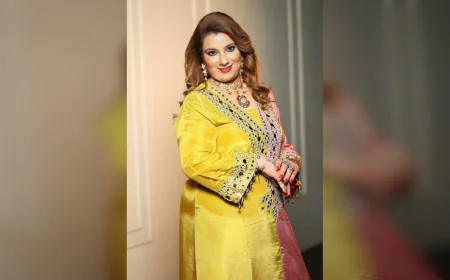
Mumbai – Former actress and dedicated humanitarian Somy Ali has come forward with a deeply moving account of a recent tragedy involving a young victim of human trafficking, shining a harsh light on the ongoing crisis and calling for urgent societal action to protect vulnerable children and women.
Through her nonprofit organisation No More Tears, which supports survivors of abuse and exploitation, Ali has encountered numerous harrowing stories over the years. Yet one recent case has left an indelible mark. “Yesterday we lost another child. A 9-year-old girl who was being prostituted died from bleeding after a miscarriage,” Ali shared. “She was alone, terrified, and too scared to ask for help. If she had access to the morning-after pill, it could have prevented the pregnancy and saved her life. This is the reality we cannot look away from.”
Ali’s frontline work reveals that victims are frequently subjected to multiple overlapping forms of exploitation. “We see girls and young women forced into sex trafficking and labor trafficking, often at the same time,” she explained. Many endure horrific conditions in places like massage parlours, where they face brutal control and severe threats. Traffickers commonly warn that refusal to comply could result in harm to family members back home. “These are not empty threats. Traffickers often have connections in the girls’ home countries, and the fear is very real,” Ali noted. “By the time we reach them, many have already been broken in body and spirit.”
According to Ali, traffickers deliberately prey on individuals already facing hardship. “The lonely, the hungry, and the already wounded are the most vulnerable,” she said. This includes runaway girls, those from abusive homes, and immigrants unfamiliar with their rights or local language. Rather than always resorting to immediate force, traffickers often begin with manipulation, offering what victims desperately seek—love, safety, or financial stability for their families.
The grooming process typically starts with deception. Victims are promised legitimate jobs such as massage or waitressing work, only to find themselves trapped upon arrival. Passports are confiscated, and threats against family members become a tool of control. “They lie with kindness first,” Ali described. “By the time they realise the truth, they are already isolated and filled with shame.”
Poverty emerges as a critical enabling factor in these crimes. “Poverty creates desperation,” Ali observed. “When a young woman has no money to feed her family or no way to escape a dangerous home, any offer that promises stability can feel like salvation.” While poverty does not create evil, she emphasised that it makes individuals more susceptible to exploitation and less likely to have support networks for rescue.
Drawing from her extensive experience, Ali offered practical guidance for prevention. She urged parents and communities to maintain open, non-judgmental communication with young people. “Talk openly and without judgment. Know who your children are talking to online and in real life. Notice when someone new moves too fast, isolates them from family, or makes them keep secrets.” She stressed teaching youth that genuine opportunities never require silence or control, and that they should always feel safe returning home, even after mistakes. “Shame and fear are what keep victims silent. Love and safety are what bring them home.”
Reflecting on the young girl’s death, Ali refused to let her be reduced to a mere statistic. The child had been threatened with death if she sought help and was too frightened to approach a hospital. By the time outreach occurred, it was too late. “She died yesterday, in pain, and full of fear. She was not a number. She was a child,” Ali said with evident emotion. “Every time I think of girls like her, I feel the fire to keep fighting and to keep speaking.”
Ali’s advocacy through No More Tears continues to focus on rescue, rehabilitation, and raising public awareness. Her message is clear: communities, families, and authorities must collaborate to identify warning signs, support at-risk individuals, and dismantle the systems that allow trafficking to thrive.
This latest tragedy serves as a sobering reminder of the human cost behind the statistics. As Somy Ali persists in her mission, her call for vigilance and compassion highlights the need for sustained efforts to protect society’s most vulnerable members. Greater awareness, improved access to support services, and stronger preventive measures remain essential in the fight against human trafficking.
In sharing these painful realities, Ali not only honours the memory of lost lives but also empowers others to recognise the signs and act decisively. The path forward demands collective responsibility to ensure no more children suffer in silence.