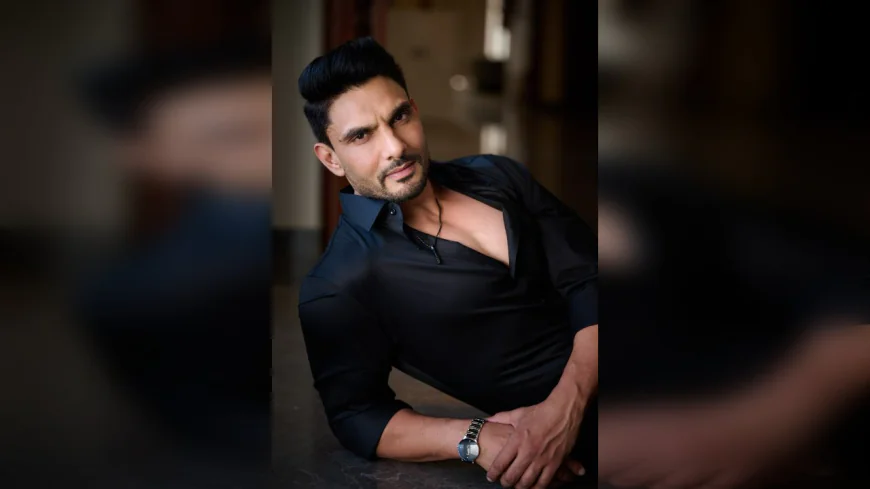
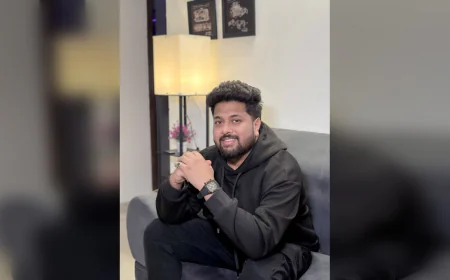
In the ever-evolving landscape of Indian entertainment, veteran actor Amal Sehrawat has offered candid insights into the realities shaping opportunities for artists today. Known for his versatile work across television and films, Sehrawat addressed key issues including informal bans, the balance between professional networking and favoritism, the influence of paparazzi culture, and how celebrities navigate their public personas.
Speaking on the persistence of unofficial restrictions within the industry, Sehrawat acknowledged a notable transformation driven by external forces. “The industry is witnessing a major shift in recent times. Many international production houses and corporate players have entered the Indian film industry and are actively making films,” he observed. These new entrants, focused primarily on business outcomes, tend to steer clear of internal lobbies and personal dynamics, making traditional informal bans harder to enforce.
Yet, Sehrawat noted that legacy structures still hold sway in certain pockets. “Some traditional Indian production houses still have the liberty to impose informal bans, and this can happen whenever their equations with actors change,” he explained. His comments reflect an industry in transition, where merit and professionalism increasingly compete with longstanding personal relationships.
The actor also drew a clear distinction between constructive networking and exclusionary practices. Healthy industry connections, according to Sehrawat, foster collaborations and open doors based on talent and hard work. However, problems arise when access depends on personal circles rather than capability. “The problem begins when deserving individuals are excluded not because of a lack of capability, but simply because they are not part of certain networks or camps,” he stated. This gatekeeping, he suggested, undermines the industry’s potential and highlights the need for greater transparency and fairness.
On the question of openness in contemporary Indian cinema, Sehrawat expressed measured optimism. “The industry is definitely more open today,” he affirmed. New filmmakers are actively seeking authentic talent capable of embodying characters convincingly, while the emergence of digital platforms has expanded the space for fresh faces to prove themselves. While challenges remain, Sehrawat believes there is genuinely greater accessibility compared to previous eras, offering hope to aspiring artists.
Sehrawat turned his attention to the growing paparazzi culture, addressing whether it has veered into unwarranted intrusion. He maintained that complete privacy breaches rarely occur without some level of consent from the celebrity. “Paparazzi culture has also given actors an additional way to stay in the limelight, and many times paparazzi are invited or informed by an actor’s PR team,” he shared, drawing from his direct observations in the field.
He further noted practical countermeasures employed by stars who prioritize privacy, such as using umbrellas or flashes to block unwanted photography. “So, while paparazzi culture can sometimes cross the line into intrusion, in many cases the boundaries are also shaped by how much access celebrities choose to allow,” Sehrawat explained. This nuanced view underscores the complex interplay between public interest and personal space in the digital age.
Regarding public image management, the actor highlighted the strategic role of PR teams and social media. Celebrities actively sell curated personas alongside their on-screen work, with extensive guidance on public behavior and messaging. “While celebrities do have some control over their public image, a large part of it is also shaped externally by PR teams, media narratives, and public perception,” he pointed out.
Finally, Sehrawat addressed the nature of controversies that frequently make headlines. He described the industry as populated by “smart, intelligent, talented, and highly creative professionals.” While genuine issues are often resolved internally, some controversies serve deliberate purposes—from protecting reputations to generating buzz for projects. “Many controversies are also carefully crafted narratives presented to the public to create curiosity and inquisitiveness. This often helps in image building, maintaining relevance, or even promoting a film,” he concluded.
Amal Sehrawat’s reflections paint a picture of an industry at a crossroads. Traditional power structures coexist with emerging corporate professionalism and expanded platforms, creating both opportunities and persistent hurdles. As someone who has navigated these waters firsthand, his perspective offers valuable context for understanding the delicate balance between talent, relationships, and visibility in today’s entertainment ecosystem. The coming years will likely test how effectively the industry can prioritize merit while preserving the collaborative spirit that fuels creativity.