Somy Ali: We Are Poisoning the Earth That Sustains Us

Actress and activist Somy Ali delivers a powerful World Environment Day message on climate change, plastic pollution, and the urgent need for conscious living to protect the planet for future generations.

Showbaazi Showbaazi Author
Jun 4, 2026 - 15:27
 0
Somy Ali: We Are Poisoning the Earth That Sustains Us

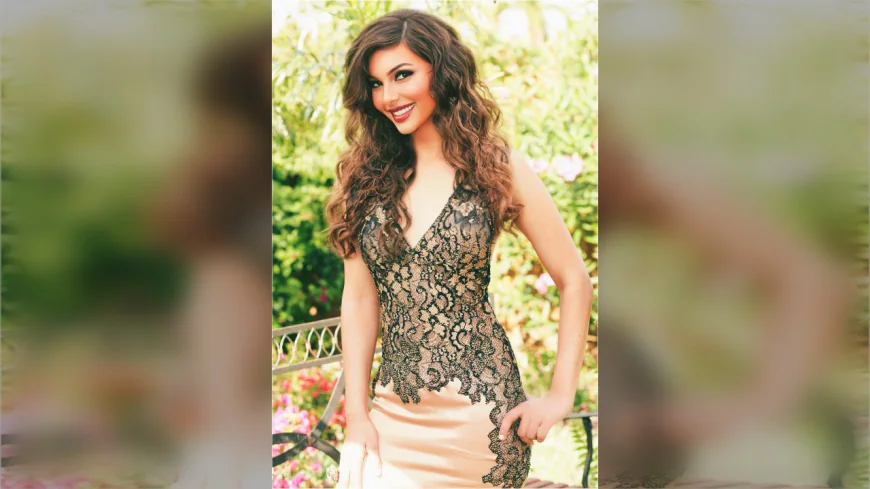
As the world marks World Environment Day, voices like that of actress, activist, and humanitarian Somy Ali cut through the noise with urgent clarity. Founder of the organisation No More Tears, Ali has long championed causes that blend social justice with environmental responsibility. In a deeply reflective message, she highlighted the profound disconnect between humanity and nature, warning that current patterns of consumption are putting the very foundation of life at risk.

Ali did not shy away from naming the most pressing crises of our time. “The biggest problems are the ones we can no longer ignore—climate change, plastic pollution, deforestation, and the rapid loss of biodiversity,” she stated. Yet for her, the deeper tragedy lies in humanity’s growing separation from the natural world. “When we destroy the environment, we are also destroying the future of our children and the most vulnerable. Every flood, every heatwave, every species that disappears quietly adds to the suffering of those who have the least,” she observed with concern.

Among these challenges, plastic pollution stands out as a particularly insidious threat. Ali described it in stark terms: “Plastic pollution is choking our planet. It doesn’t just sit in landfills—it breaks down into microplastics that enter our soil, rivers, oceans, and even our bodies.” She painted a disturbing picture of marine life mistaking plastic for food, and of birds and animals perishing with stomachs full of waste. “The same plastic that gives us convenience for five minutes destroys life for hundreds of years. We are literally poisoning the Earth that sustains us,” she emphasised.

Despite the grim reality, Ali advocates for hope through individual action. She leads by example in her daily life, making conscious choices that reflect her commitment. “I try to live as consciously as I can. I switch off the lights and the air conditioner the moment I leave the room,” she shared. At home, she maintains a small balcony garden that brings her peace and serves as a constant reminder of humanity’s bond with nature. Ali also avoids single-use plastics, preferring reusable NMT jute bags that can be used repeatedly and recycled.
Water conservation and waste reduction are equally important to her. “I save water by ensuring taps are tightly closed and by reusing water whenever I can,” she noted. Looking even beyond her lifetime, Ali supports cremation and organ donation as final acts of giving back to the Earth and to fellow humans. For her, environmental care is not limited to special occasions but forms an integral part of everyday existence.

Her vision of the future without meaningful change is sobering. “If we continue like this, 2050 will be a very different and painful world,” Ali warned. Coastal cities could disappear underwater, extreme heat would become routine, and clean water might turn into a luxury. Children might only know tigers, coral reefs, and pristine rivers through stories. The inequality gap, she fears, would widen further, with the most vulnerable communities bearing the heaviest burden. “I don’t want that future for the children we rescue, or for any child,” she added.

On this World Environment Day, Ali’s message carries both warning and practical guidance. “My message is simple but urgent: Stop treating the Earth like it owes us everything while we give it nothing in return. Every small choice matters—the bag you carry, the water you save, the plastic you refuse. We don’t need to be perfect. We just need to be consistent and conscious,” she urged.

Ali also drew a meaningful link between her humanitarian efforts and environmental stewardship. Through No More Tears, she works to protect vulnerable women and children. In her view, safeguarding lives and safeguarding the planet are interconnected responsibilities. “If we can protect one child, one woman, one life through No More Tears, we can also protect the planet that gives all of us life. Let’s leave the Earth better than we found it—not just for ourselves, but for every generation that comes after us.”

Somy Ali’s passionate appeal arrives at a critical moment when collective awareness must translate into sustained action. Her personal practices, combined with years of activism, lend credibility to her words. By framing environmental protection as both a moral duty and a practical necessity, she encourages readers to examine their own habits and consider the legacy they wish to leave behind.

In an age of rapid consumption and visible climate impacts, voices like Ali’s remind us that small, consistent choices can accumulate into significant change. Her call to reconnect with nature and treat the Earth with respect offers a path forward grounded in awareness, compassion, and long-term thinking. As individuals and communities reflect on World Environment Day, her message stands as a powerful invitation to move from awareness to meaningful, everyday responsibility.

❤️ Follow us for the latest updates:

Showbaazi
Showbaazi Author
Follow