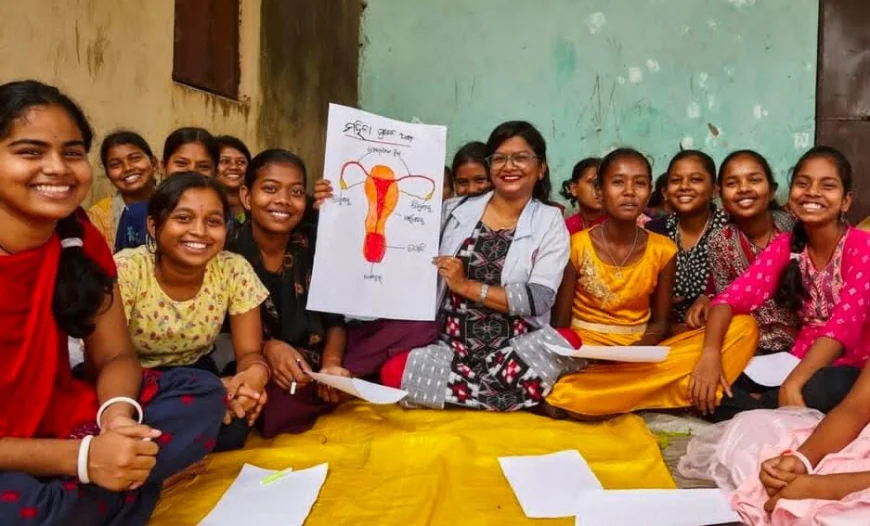
Mumbai: Marking International Women’s Day, Kimberly-Clark India and UNICEF India have announced a strategic partnership aimed at significantly improving the health and well-being of women and adolescent girls across India. The initiative represents a major step toward addressing long-standing gaps in menstrual hygiene awareness and maternal healthcare accessibility.
The program will be implemented across nine priority states—Uttar Pradesh, Bihar, Maharashtra, Madhya Pradesh, Jharkhand, West Bengal, Chhattisgarh, Odisha, and Gujarat—regions where access to healthcare services and awareness remains a critical concern.
As part of the initiative, approximately 2.88 million adolescent girls, women, and newborns will gain direct access to essential healthcare services and government-linked benefits. In addition, nearly 2.87 million individuals will be engaged through targeted awareness campaigns and behavior change programs designed to challenge social taboos and promote informed health practices.
The collaboration combines UNICEF India’s extensive grassroots presence and public health expertise with Kimberly-Clark India’s commitment to advancing hygiene and personal care solutions. Together, the organizations aim to strengthen healthcare delivery systems and foster sustainable improvements in community health outcomes.
Rahul Asthana, Managing Director of Kimberly-Clark India, emphasized that access to health and hygiene is a fundamental right, not a privilege. He noted that the partnership aligns with the company’s broader vision of delivering “better care for a better world” and expressed confidence that the initiative will positively impact millions of families across underserved communities.
Cynthia McCaffrey, Representative of UNICEF India, highlighted the broader developmental implications of the program. She stated that improving adolescent health, maternal well-being, and early childhood development is essential to building a stronger and more resilient nation. According to her, the initiative will also support the creation of more adolescent-friendly healthcare systems at both national and state levels.
The partnership is expected to play a crucial role in advancing India’s public health goals, particularly in empowering women and girls with knowledge, resources, and access to essential healthcare services. By addressing both awareness and infrastructure challenges, the initiative aims to create long-term, sustainable improvements in health outcomes and quality of life.