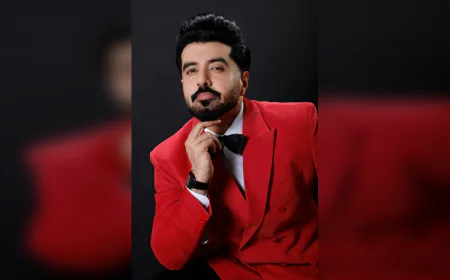
Why Viral Animal Videos Touch Our Deepest Emotions: Dhruvee Haldankar
Actor and author Dhruvee Haldankar explains why videos of lonely animals like baby monkeys or lost penguins go viral — they awaken our deepest need for connection, comfort and tenderness in a disconnected world.
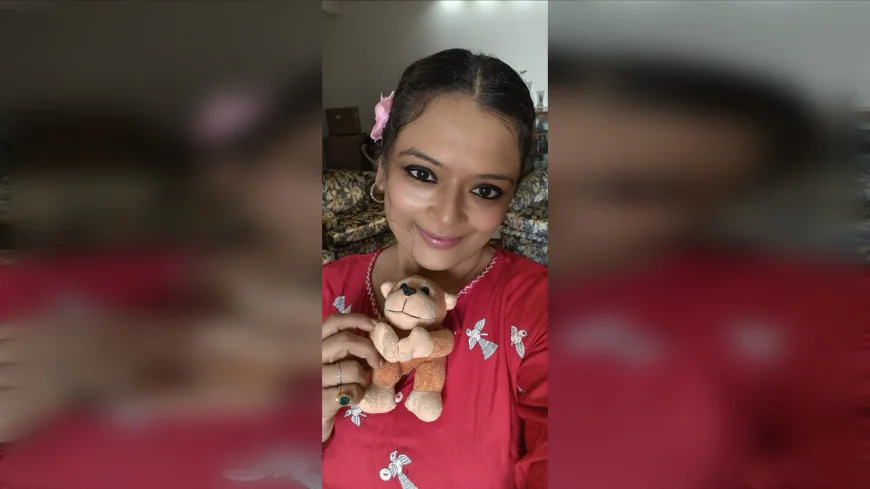
Mumbai: In an age of endless scrolling and carefully curated social media feeds, certain videos have the rare power to stop us mid-scroll — a baby monkey desperately clinging to a toy, or a penguin wandering far from its colony. For actor and author Dhruvee Haldankar, these seemingly simple clips are far more than just “cute” or “viral” content. They touch something profoundly human within us.
Dhruvee believes such visuals bypass our logical mind and speak directly to our emotional core. “We don’t just see animal behaviour,” she explains. “We see loneliness, fear, and the search for comfort.” According to her, the human brain is wired for attachment from the very beginning of life. Since survival in infancy depends on forming strong connections, witnessing animals seeking safety or affection triggers the same deep caregiving and bonding instincts in us — creating what she calls “empathy without complication.”
She further points out that animals often serve as a “safe projection screen” for emotions we find difficult to acknowledge in ourselves. “It is easier for people to say, ‘That baby monkey just wants its mother,’ than to admit, ‘I still want to feel held, chosen, and safe,’” Dhruvee notes. These viral stories resonate so strongly because they quietly validate a universal truth that many hesitate to express openly — the need for attachment and comfort never really disappears; it simply becomes less socially acceptable to voice as we grow older.
Harshita Raj is a dedicated journalist at Showbaazi who enjoys covering the vibrant world of entertainment. With a passion for storytelling and a keen interest in celebrity news and industry trends, she aims to deliver engaging and up-to-date content that keeps readers connected to the latest in showbiz. ✍️🎬✨