Jaipur Royals Lead Traditional Holika Dahan at City Palace
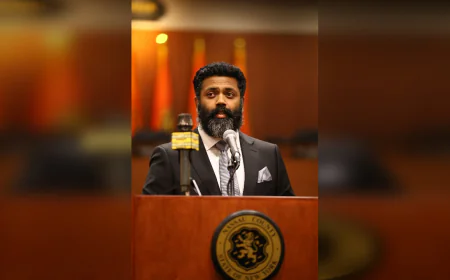
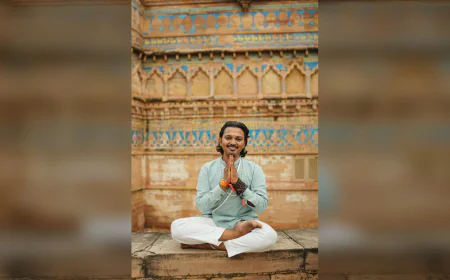
Maharaja Sawai Padmanabh Singh lights ceremonial Holika pyre at Jaipur's City Palace, upholding centuries-old ritual as shared in royal family's Instagram video.

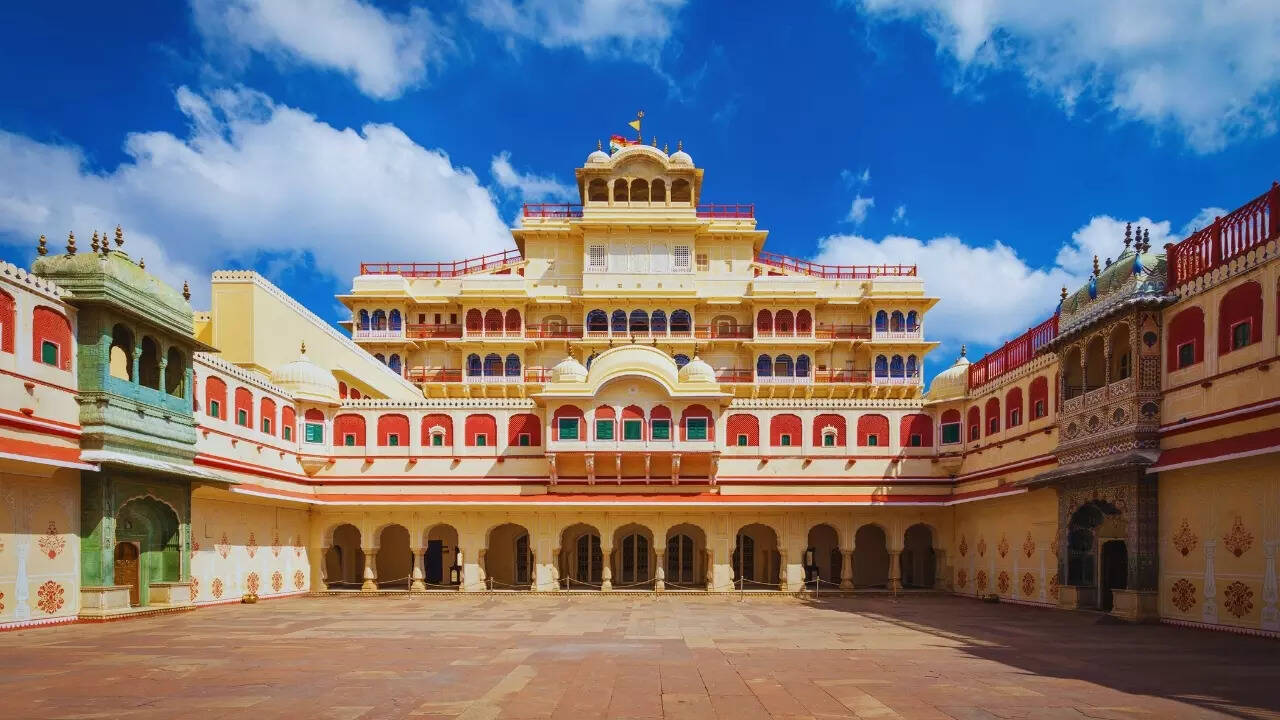
Jaipur, March 3, 2026 – As the Pink City welcomed the eve of Holi, the historic City Palace once again became the epicentre of a time-honoured ritual: Holika Dahan. His Highness Maharaja Sawai Padmanabh Singh led the ceremonial lighting of the sacred bonfire, reviving a tradition that has endured for centuries within the palace walls and connected the royal household with the people of Jaipur.
The royal family shared a captivating video on Instagram (@theroyalfamilyofjaipur), offering a glimpse into the evening's proceedings. In the clip, Maharaja Padmanabh Singh—also known as @pachojaipur—performs the key act of igniting the pyre at the auspicious hour, surrounded by Vedic chants from attending priests. The footage captures the spiritual atmosphere in one of the palace's medieval courtyards, with the flames rising against the backdrop of ornate architecture that blends Rajput and Mughal influences. Following the lighting, locals gathered to collect embers from the same royal pyre—a longstanding custom symbolising shared blessings and community unity.
The City Palace, constructed in the early 18th century by Maharaja Sawai Jai Singh II shortly after he founded Jaipur in 1727, remains both a living residence for the royal family and a public museum. Its grand courtyards, intricately carved gateways, and opulent halls have hosted generations of such observances, ensuring that festivals like Holika Dahan are not mere historical reenactments but active expressions of cultural continuity.
A passionate journalist at Showbaazi who loves bringing the latest entertainment stories to readers. With a keen interest in celebrity news, film updates, and trending showbiz moments, she aims to keep audiences informed and engaged with fresh and compelling content.